Cultural Intelligence: The Missing Layer of AI
Geetanjali Shrivastava
Mar 5, 2026 · 4 min read

Artificial intelligence systems increasingly shape how people access information, interact with digital services, and create new forms of media. Yet many of these systems operate with limited awareness of cultural context.
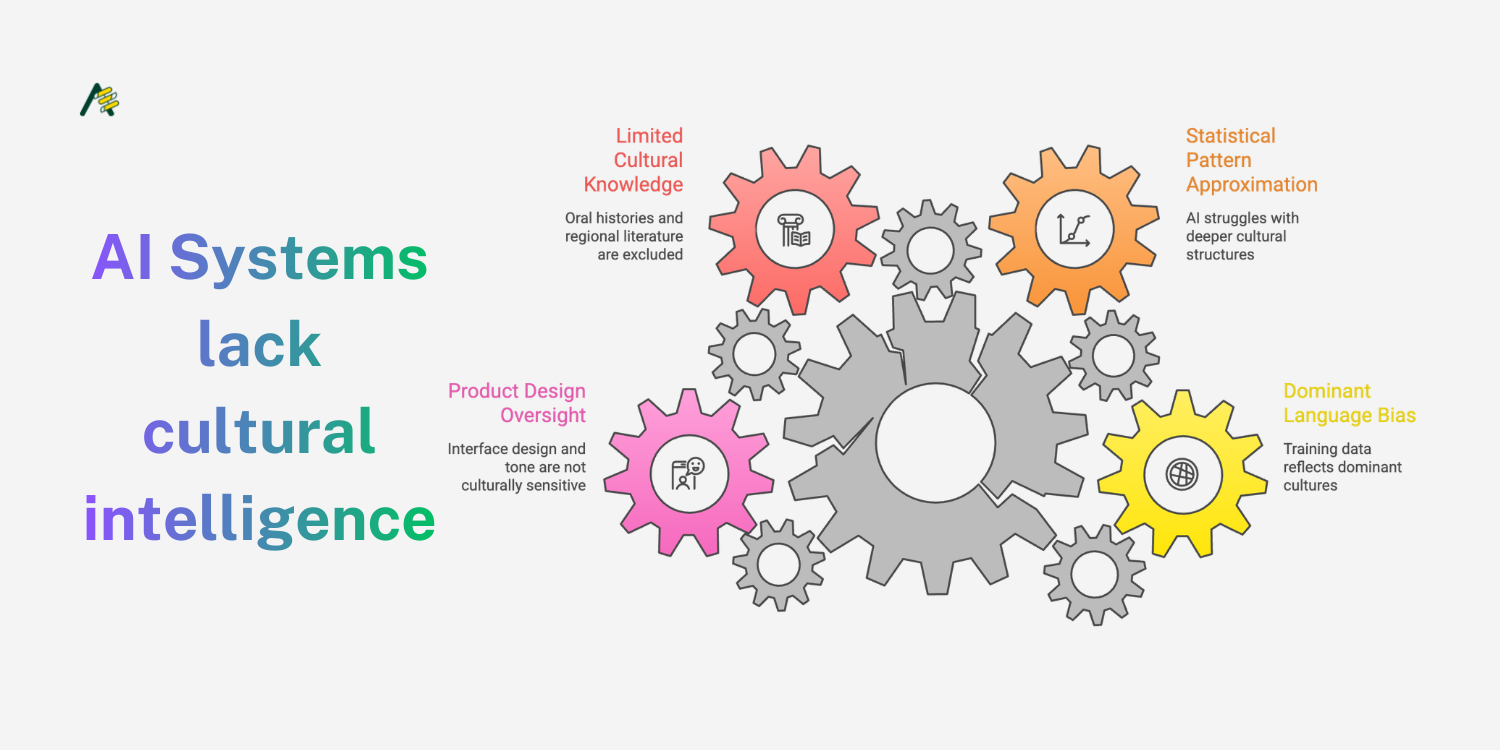
Large language models and other AI systems are typically trained on massive datasets drawn from publicly available digital content. While this data contains a broad range of information, it often reflects dominant languages, cultural norms, and communication patterns.
As AI becomes embedded in everyday applications, the absence of cultural intelligence within these systems becomes more noticeable.
Understanding Cultural Intelligence in AI
Cultural intelligence refers to the ability to interpret language, symbols, and behaviour within their broader cultural context.
Human communication relies heavily on shared references, historical knowledge, and social norms. These elements shape how meaning is constructed and understood.
AI systems trained primarily on statistical patterns can approximate language usage, but they may struggle to interpret the deeper cultural structures that inform communication.
For example, idioms, proverbs, and culturally specific metaphors often require contextual knowledge beyond surface-level language patterns.
Why Cultural Context Matters
Digital platforms serve increasingly global audiences. AI systems deployed in education, customer service, media generation, and public services interact with users from diverse linguistic and cultural backgrounds.
Without cultural awareness, these systems may produce responses that feel incomplete or misaligned with user expectations.
In some cases, this misalignment appears in subtle ways, such as awkward phrasing or misunderstood references. In other situations, the consequences can be more significant, particularly when AI systems influence decision-making in areas such as education, governance, or financial services.
Designing AI systems with cultural intelligence therefore supports both usability and fairness.
The Relationship Between Language and Culture
Language is one of the most visible carriers of cultural context. Grammar structures, storytelling traditions, and patterns of expression often reflect historical knowledge systems.
For example, certain linguistic traditions encode complex relationships between objects, actions, and meaning. These structures influence how speakers interpret ideas and construct narratives.
When AI systems are trained primarily on dominant global languages, they may overlook these variations.
Expanding AI capabilities across languages is therefore not only a technical challenge but also a cultural one. Language models must account for diverse linguistic systems and the knowledge traditions embedded within them.
Cultural Knowledge as Data
Incorporating cultural intelligence into AI systems requires new approaches to data collection and model design.
Many cultural knowledge systems exist outside conventional digital datasets. Oral histories, regional literature, historical archives, and community narratives represent valuable sources of information that are rarely included in mainstream training data.
Digitising and structuring this information presents both technical and ethical challenges. Developers must work with historians, linguists, and cultural institutions to ensure that cultural materials are represented accurately and respectfully.
Collaborative approaches are particularly important when working with communities whose knowledge traditions have historically been underrepresented in digital systems.
Designing AI Systems With Cultural Awareness
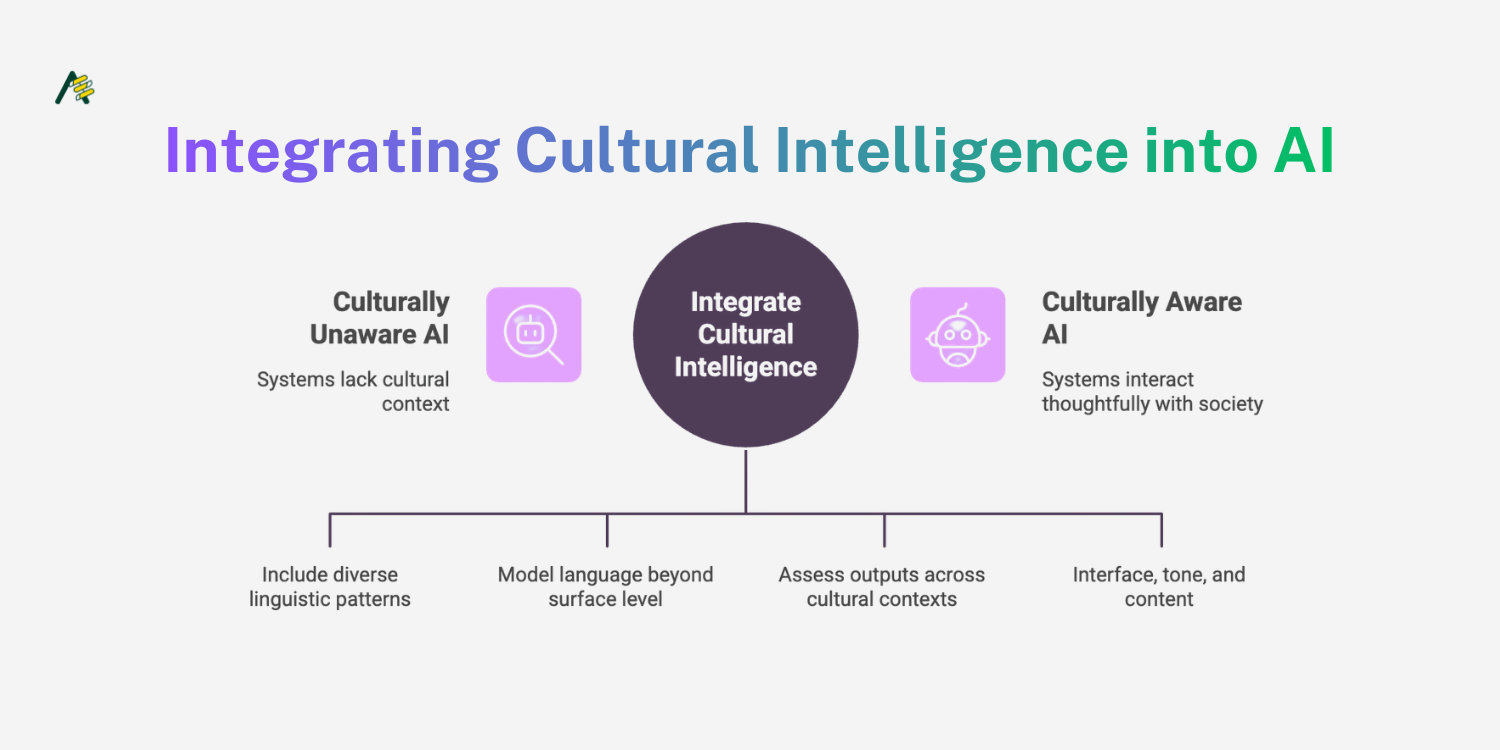
Cultural intelligence should influence multiple layers of AI development, including data collection, model training, and product design.
From a technical perspective, this may involve:
Expanding multilingual training datasets
Incorporating culturally specific linguistic patterns into models
Evaluating system outputs across diverse cultural contexts
From a product perspective, developers must also consider how AI systems communicate with users. Interface design, tone, and content presentation can significantly affect whether systems feel culturally appropriate.
A Broader View of AI Development
The conversation around artificial intelligence often focuses on model performance or computational scale. While these factors remain important, the long-term relevance of AI systems will also depend on their ability to operate within diverse cultural environments.
Cultural intelligence offers a framework for addressing this challenge. By integrating cultural context into AI development, researchers and engineers can build systems that interact more thoughtfully with the societies they serve.
Geetanjali Shrivastava
@geetanjalishrivastava