How Technology Can Protect and Revive Cultural Heritage
Geetanjali Shrivastava
Mar 8, 2026 · 3 min read
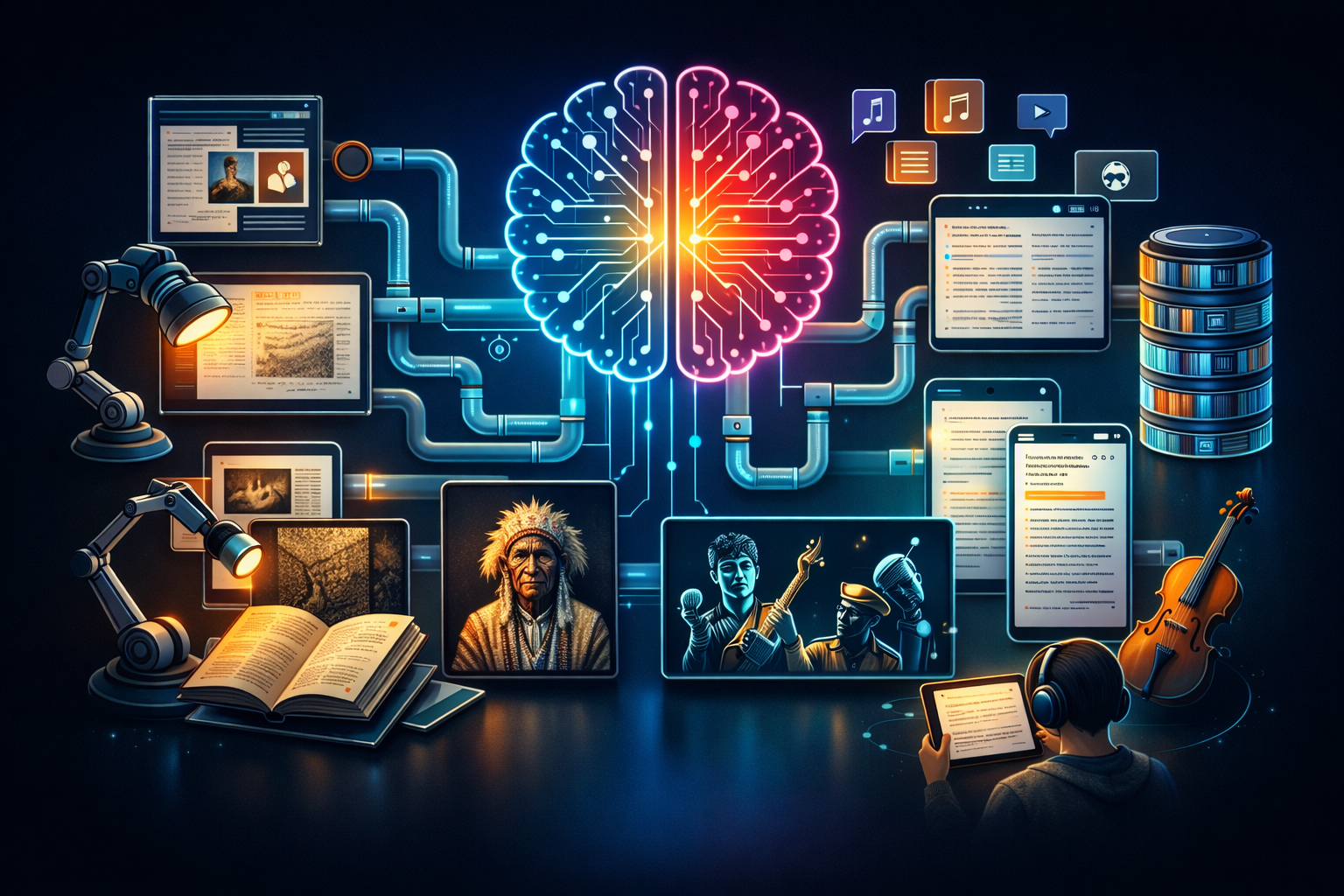
Cultural heritage reflects the history, creativity, and knowledge systems of societies. Across India, artistic traditions, manuscripts, oral histories, and visual art forms represent centuries of accumulated cultural memory.
However, preserving this heritage is becoming increasingly challenging.
Many cultural materials remain undocumented, inaccessible, or scattered across physical archives and private collections. As digital platforms shape how knowledge is shared and discovered, the absence of cultural material online can lead to declining visibility and engagement.
Digital technology provides new opportunities to address this challenge. At Bhaskar, we are exploring how digital systems can support long-term cultural preservation while also encouraging rediscovery and learning.
Beyond Digitisation
Digitisation is often the first step in cultural preservation. Scanning manuscripts, photographing artworks, and recording performances help ensure that fragile materials are not lost over time. But digitisation alone is not enough. Without contextual information and accessible platforms, digital archives can become difficult to explore and interpret. Effective digital cultural preservation requires additional components:
structured metadata and cultural context
multilingual documentation
searchable digital archives
visual and narrative presentation of cultural material
When these elements are combined, digital systems can transform static archives into dynamic cultural knowledge platforms.
The Role of Technology in Cultural Knowledge Systems
Technology allows cultural information to be organized and presented in ways that were previously impossible.
For example, digital platforms can connect:
artworks with historical narratives
artists with cultural movements
traditions with geographic and social context
Artificial intelligence can also play a role in cultural preservation by helping organize and analyze large collections of cultural data. When applied carefully and responsibly, AI tools can support:
image classification of artworks
multilingual cultural documentation
discovery of related artifacts across collections
These capabilities can make cultural knowledge more discoverable and accessible to wider audiences.
Reviving Cultural Interest
Cultural preservation should go beyond focusing on protecting the past to support renewed engagement with cultural traditions. Digital platforms make it possible to introduce new audiences to regional art forms, craft traditions, and historical knowledge. For instance, curated digital galleries can present cultural material in ways that highlight artistic style, historical context, and narrative significance. These platforms can function as educational resources, research tools, and spaces for cultural discovery. Through thoughtful design and curation, digital systems can help ensure that cultural heritage remains relevant and visible in contemporary society.
Bhaskar’s Work in Digital Cultural Preservation
Bhaskar’s initiatives in cultural preservation intersect with several areas of research and experimentation:
digital cultural archives
multimodal knowledge representation
language technology for cultural documentation
responsible AI for cultural datasets
Together, these initiatives aim to support digital systems that preserve cultural knowledge while enabling deeper exploration and understanding. By integrating research, technology, and cultural scholarship, Bhaskar seeks to contribute to the development of digital infrastructure for cultural heritage.
If you are involved in cultural preservation, museums, archives, digital humanities, or art history, we welcome collaboration on projects that support digital cultural knowledge systems.
Geetanjali Shrivastava
@geetanjalishrivastava
More Articles

Why Collaboration Matters for the Future of AI and Cultural Knowledge

Ethics and Cultural Intelligence in AI: Designing Technology That Understands Context

Multimodal AI for Indian Knowledge Systems: Beyond Text-Based Intelligence

AI for the Common Good: Building Technology That Benefits Society