The Research-Driven Innovation Process
Geetanjali Shrivastava
Mar 9, 2026 · 3 min read
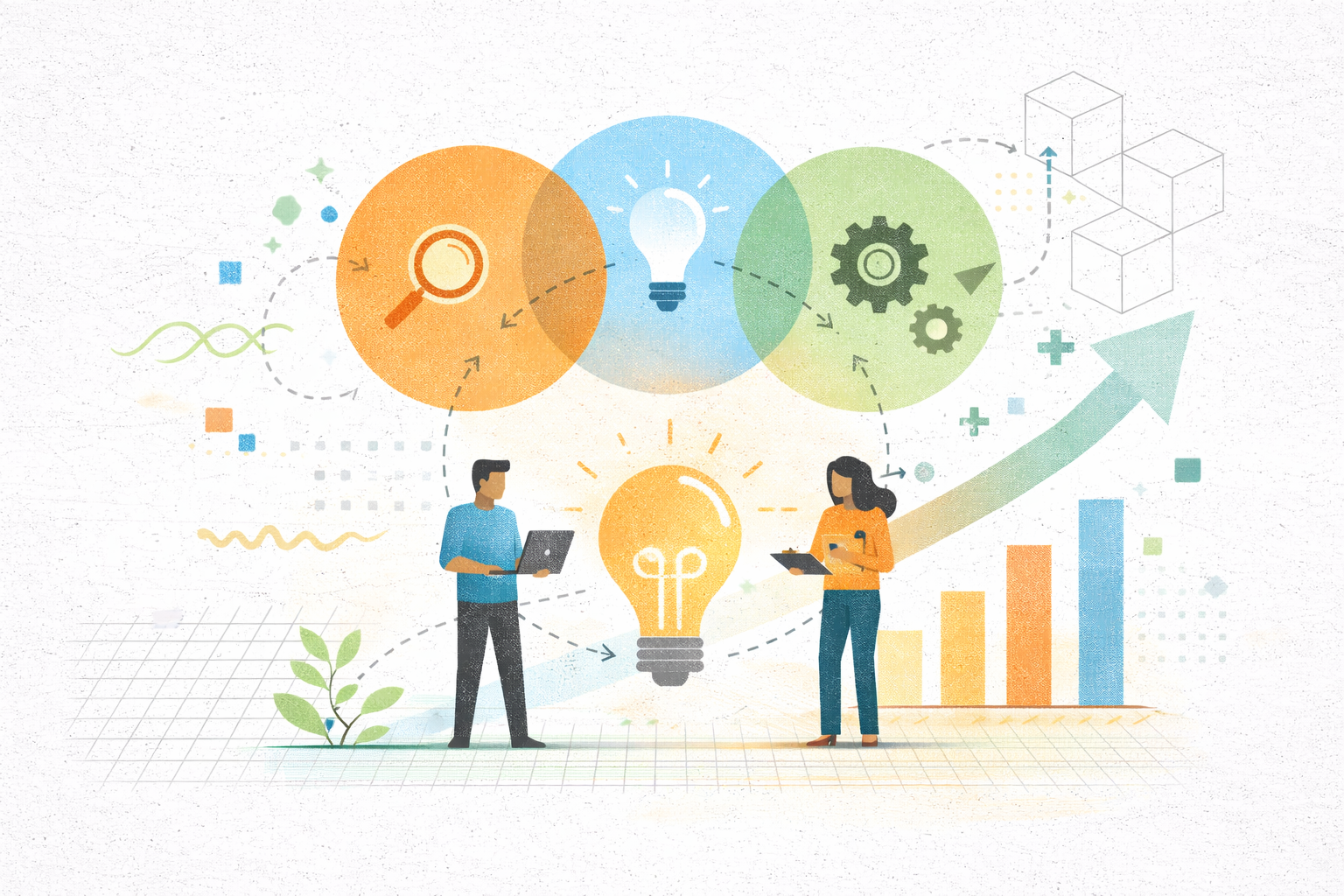
Complex technology systems require more than technical expertise. Building meaningful AI platforms, particularly those involving language, culture, and knowledge systems, requires a process that integrates research, design, and engineering from the outset. At Adaptiv , projects evolve through a research-driven innovation process that moves from cultural inquiry to design exploration to engineering implementation. This structured approach allows ideas to mature gradually while ensuring that technology remains grounded in meaningful context.
Research as the Starting Point
Every project begins with a research phase designed to clarify the problem space and uncover relevant context.
Research activities may include:
cultural and historical inquiry
analysis of existing knowledge systems
dataset evaluation and linguistic analysis
user and stakeholder exploration
This stage helps identify not only technical challenges but also the cultural or societal implications of the systems being built. By grounding projects in research, the studio ensures that development decisions reflect a deeper understanding of the domain.
Translating Research into Design
Once research insights are synthesised, the design phase begins. Design plays a crucial role in translating abstract knowledge into systems that people can interact with and understand. Design exploration may involve:
interface prototypes
information architecture for knowledge systems
visual representations of cultural data
interaction flows for AI systems
These explorations help teams test ideas early and refine how complex information will be presented and accessed.
Engineering and System Development
Engineering teams then translate design concepts into working systems. This stage involves:
building AI models and computational pipelines
developing software platforms and infrastructure
implementing data pipelines and knowledge systems
integrating interfaces with underlying technical frameworks
Engineering work is closely connected to ongoing research and design feedback.
Rather than occurring at the end of the process, technical experimentation happens continuously throughout development.
Iterative Studio Cycles
Projects move through iterative studio cycles, ensuring continuous refinement.Typical cycles include:
research synthesis
design exploration
technical spike
prototype build
operational review
Each cycle helps clarify the next stage of development. This iterative process ensures that complex systems evolve through incremental learning rather than rigid planning.
Supporting Responsible AI Development
The research-driven studio process is particularly valuable for projects involving AI and cultural knowledge. When AI systems interact with language, historical material, or cultural traditions, technical decisions must be informed by contextual understanding. Adaptiv'’s approach helps ensure that AI systems are:
culturally informed
technically robust
responsibly designed
This process reflects the belief that innovation should balance technical performance with intellectual and cultural insight.
We welcome invitations for collaborations and projects from organisations exploring AI research, digital knowledge platforms, or interdisciplinary technology projects at hello@adaptiv.me.
Geetanjali Shrivastava
@geetanjalishrivastava