Why AI Products Require Cross-Functional Teams
Geetanjali Shrivastava
Mar 5, 2026 · 4 min read
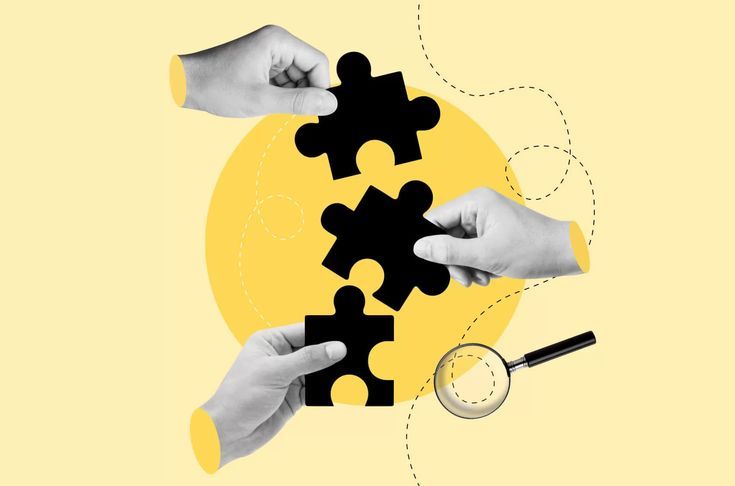
Artificial intelligence development often follows organisational structures designed for traditional software. Product managers define requirements, designers craft interfaces, engineers implement features, and data scientists build models.
While this separation works for many software products, AI systems introduce dependencies that cut across these boundaries. Model behaviour influences user experience, data pipelines shape engineering constraints, and product decisions affect model training strategies.
As a result, effective AI development increasingly relies on cross-functional teams where expertise from multiple disciplines interacts continuously.
The Limitations of Siloed Development
In conventional development workflows, responsibilities are divided across departments. Data scientists may develop models independently before handing them to engineering teams for deployment. Designers often engage later in the process to refine interfaces.
This structure introduces friction in AI projects for several reasons.
Model capabilities evolve during experimentation. Decisions about training data or architecture may alter what the product can realistically deliver. If product strategy and modeling work occur in isolation, expectations quickly diverge from technical reality.
AI systems frequently require iterative adjustments between design and modeling. A recommendation interface might change once model confidence levels become clear. Similarly, a language interface may evolve based on observed model behavior.
When teams operate sequentially rather than collaboratively, these adjustments slow progress and increase rework.
The Role of Cross-Functional Pods
Cross-functional pods address these challenges by bringing key roles together within a single working unit. Instead of passing work between departments, team members collaborate throughout the lifecycle of the product.
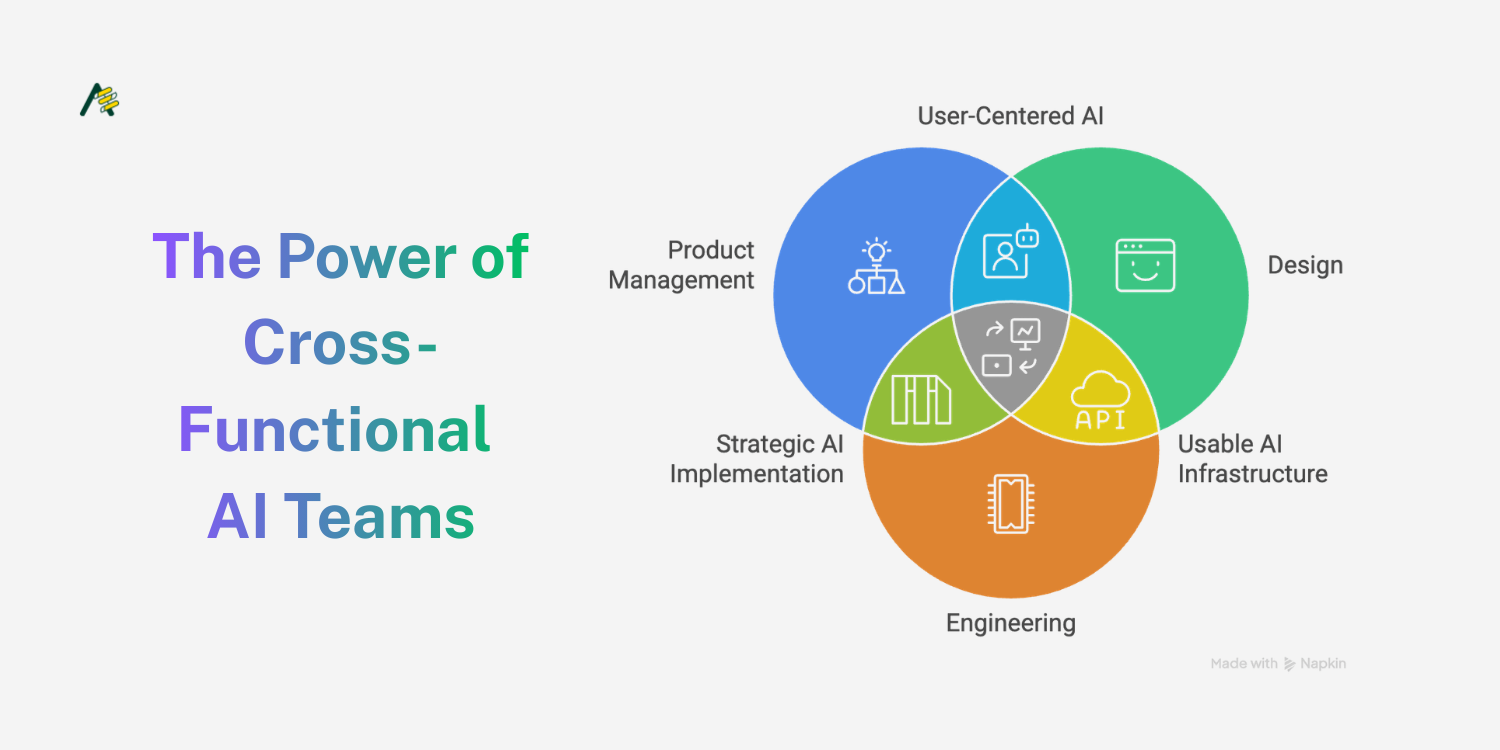
A typical AI pod may include:
Product strategists responsible for problem framing
Designers shaping human–AI interaction
Machine learning engineers conducting model experimentation
Software engineers building infrastructure and integrations
Working within a shared environment allows decisions to evolve through discussion rather than handoffs.
For example, a design decision about transparency in model outputs may influence the choice of model architecture. A modelling constraint might lead designers to modify interaction patterns. These feedback loops occur continuously within cross-functional teams.
Faster Experimentation Cycles
AI development benefits from rapid iteration. Early prototypes often reveal unexpected behaviours, requiring adjustments across design, data, and engineering layers.
Cross-functional teams reduce the delay between observation and action. When designers, engineers, and ML specialists work together, insights from one discipline immediately inform the others.
This approach shortens experimentation cycles and helps teams converge on workable solutions more quickly.
It also encourages shared ownership of outcomes. Instead of attributing model limitations or usability issues to a single department, teams address challenges collectively.
Aligning Technical and Product Decisions
Another advantage of cross-functional teams is alignment between product vision and technical constraints.
AI systems rarely achieve perfect accuracy. Teams must decide how to handle uncertainty, communicate model limitations, and design safeguards.
These decisions require input from multiple perspectives. Product leaders consider user expectations and market positioning. Designers focus on trust and usability. Engineers evaluate system reliability.
When these viewpoints interact early in development, the resulting systems tend to balance ambition with practicality.
Supporting Long-Term AI Systems
AI products evolve continuously after launch. Monitoring systems detect model drift, user feedback reveals new edge cases, and updated data reshapes model performance.
Cross-functional teams remain valuable beyond the initial development phase. The same collaborative structure that supports experimentation also enables ongoing refinement.
Teams familiar with the entire system (from model architecture to user interface) can respond more effectively when conditions change.
A Structural Shift in AI Development
The growing complexity of AI systems has prompted many organisations to reconsider traditional team structures. Instead of separating research, design, and engineering functions, they are experimenting with integrated teams responsible for complete product cycles.
This structural shift reflects the interdisciplinary nature of AI itself. Models do not exist in isolation; they operate within user experiences, software systems, and data ecosystems.
Cross-functional collaboration provides a practical way to navigate these dependencies. By aligning expertise across disciplines, organisations can develop AI systems that are both technically robust and meaningfully integrated into real-world workflows.
Geetanjali Shrivastava
@geetanjalishrivastava
More Articles
Case Study: How Magic Was Built to Make Paris Feel Smaller

Case Study: How Lama Was Built to Close the Gap Between Business Data and Business Decisions
Case Study: How Globist Is Building the AI Workspace To Kill the Marketing Tab Spiral
Case Study: How Ask Sétu Was Built to Guide Indian Students Through Every Stage of Life in France